

The Impact of Technology on the Future of Construction Industry
- Princefix Construction Ltd
- Dec 4
- 3 min read

The construction industry is undergoing a significant transformation driven by technology. Traditional methods that once dominated the field are now being replaced or enhanced by digital tools, automation, and innovative materials. This shift is not only improving efficiency but also changing how projects are planned, executed, and maintained. Understanding these changes helps professionals and stakeholders prepare for a future where technology plays a central role in construction.
How Technology Improves Planning and Design
One of the earliest stages where technology makes a difference is in planning and design. Building Information Modeling (BIM) software allows architects, engineers, and contractors to create detailed 3D models of structures before construction begins. These models help identify potential issues, coordinate between teams, and visualize the final product.
Better collaboration: BIM enables all stakeholders to work on the same model, reducing misunderstandings.
Clash detection: The software highlights conflicts between systems like plumbing and electrical wiring early on.
Cost estimation: Accurate models help predict material needs and costs, reducing waste and budget overruns.
Virtual reality (VR) and augmented reality (AR) also support design by allowing clients and builders to experience the space virtually. This interaction helps refine designs and ensures expectations align with reality.
How Automation and Robotics Change Construction Work
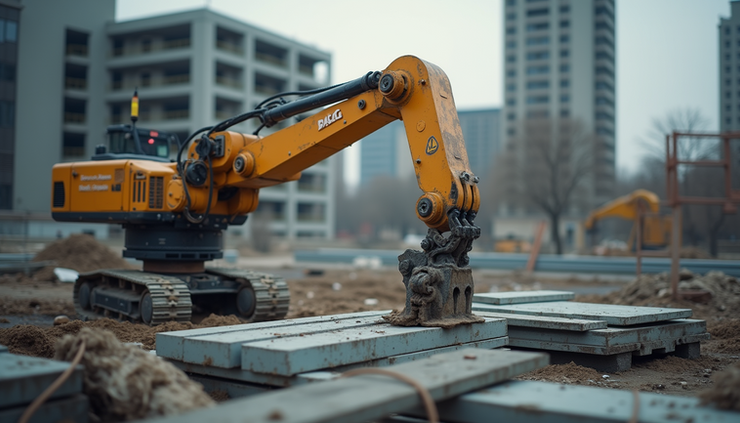
Automation is reshaping the physical work on construction sites. Robots and automated machinery take on repetitive or dangerous tasks, improving safety and productivity.
Robotic bricklaying: Machines can lay bricks faster and with consistent quality.
3D printing: Large-scale printers create building components or even entire structures layer by layer.
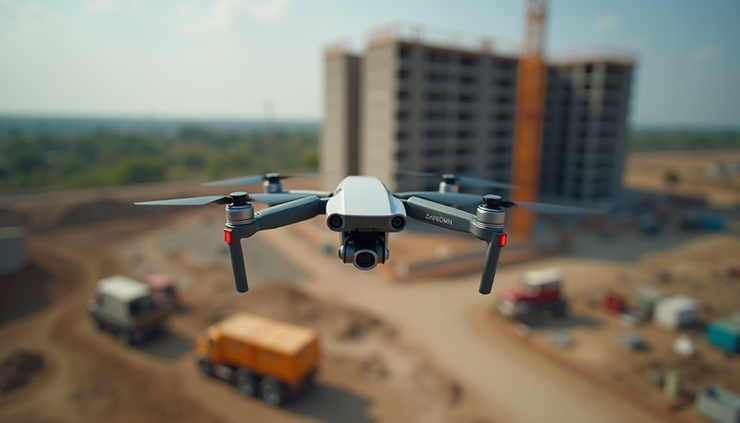
Drones: Used for site inspection, progress monitoring, and surveying, drones provide real-time data without risking human safety.
These technologies reduce human error and speed up timelines. For example, a 3D-printed house in Mexico was built in less than 24 hours, demonstrating how automation can cut construction time dramatically.
How Data and Sensors Enhance Project Management
Data collection and sensor technology help managers track progress and maintain quality throughout a project. Internet of Things (IoT) devices embedded in equipment and materials provide real-time information.
Equipment monitoring: Sensors track machine usage and maintenance needs to avoid breakdowns.
Environmental monitoring: Sensors measure temperature, humidity, and air quality to ensure safe working conditions.
Material tracking: RFID tags and GPS help locate materials and prevent theft or loss.
Project managers use this data to make informed decisions, adjust schedules, and improve safety protocols. For example, a construction company in Singapore reduced accidents by 30% after implementing wearable sensors that alert workers to hazards.
How Sustainable Technology Shapes Construction
Sustainability is a growing concern in construction, and technology supports greener building practices.
Energy-efficient materials: New composites and insulation reduce energy consumption.
Smart buildings: Integrated systems control lighting, heating, and cooling to minimize waste.
Waste reduction: Digital planning and prefabrication reduce excess materials and on-site waste.
Solar panels, green roofs, and rainwater harvesting systems are increasingly integrated into designs, supported by technology that monitors and optimizes their performance.

How to Prepare for Technology in Construction
Adapting to these technological changes requires a proactive approach:
Invest in training: Workers and managers need skills to operate new tools and software.
Adopt digital tools: Start using BIM, project management software, and mobile apps to improve workflows.
Collaborate with tech providers: Partner with companies specializing in construction technology to stay updated.
Focus on safety: Use sensors and automation to create safer work environments.
Plan for sustainability: Incorporate green technologies early in project design.


Comments