

Mastering Construction Project Budgets: Expert Tips for Success
- Princefix Construction Ltd
- Dec 10
- 3 min read

Starting a construction project without a solid budget plan can lead to costly delays, unexpected expenses, and frustration. Budgeting for construction requires more than just estimating costs; it demands careful planning, ongoing management, and a clear understanding of every phase of the project. This guide breaks down how to budget for a construction project like a pro, helping you control costs and keep your project on track.

Understand the Scope of Your Project
Before setting any numbers, define the full scope of your construction project. This means knowing exactly what you want to build, the materials you will use, and the timeline you expect.
Define project goals clearly: What is the purpose of the building? Residential, commercial, or industrial? Each has different requirements.
List all deliverables: Include everything from foundation work to finishing touches.
Identify constraints: Land conditions, local regulations, and environmental factors can affect costs.
A well-defined scope prevents surprises and helps you estimate costs more accurately.
Break Down Costs Into Categories
Divide your budget into clear categories to track expenses easily. Typical categories include:
Materials: Lumber, concrete, steel, fixtures, and finishes.
Labor: Wages for contractors, subcontractors, and specialists.
Equipment: Rental or purchase of machinery like cranes, mixers, and scaffolding.
Permits and Fees: Building permits, inspections, and legal fees.
Contingency Fund: Reserve money for unexpected costs, usually 5-10% of the total budget.
Design and Engineering: Architectural plans, structural engineering, and consulting fees.
Breaking down costs helps identify where you can save and where you must invest.
Research and Get Multiple Quotes
Accurate budgeting depends on reliable cost data. Contact suppliers and contractors to get detailed quotes.
Compare prices from several vendors: This ensures competitive pricing.
Ask for itemized quotes: Understand what is included and excluded.
Check for hidden costs: Delivery fees, taxes, and overtime labor charges can add up.
For example, if lumber prices vary widely between suppliers, choosing the right vendor can save thousands.
Use Construction Budgeting Software or Tools
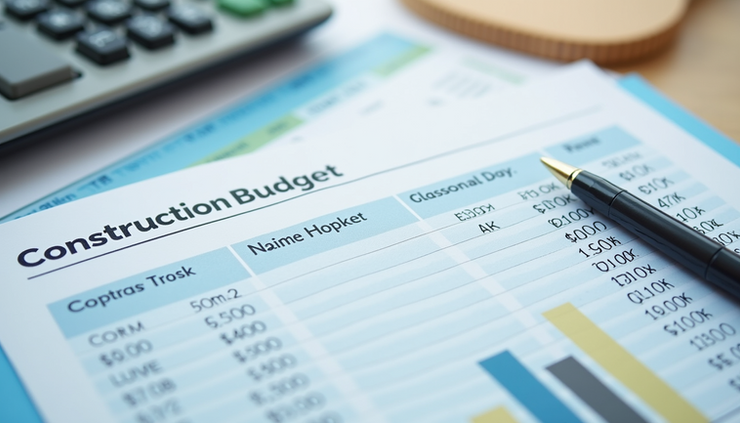
Manual budgeting can be prone to errors. Use specialized software or spreadsheets designed for construction projects.
Track expenses in real time: Update your budget as costs come in.
Generate reports: Visualize where your money goes.
Set alerts: Get notified when spending approaches limits.
Tools like Buildertrend, Procore, or even customized Excel sheets can improve accuracy and save time.
Plan for Contingencies and Risks
Unexpected issues are common in construction. Weather delays, material shortages, or design changes can increase costs.
Set aside a contingency fund: Typically 5-10% of your total budget.
Identify potential risks early: Site inspections and feasibility studies help.
Have a plan for changes: Change orders should be documented and budgeted.
For instance, a sudden rise in steel prices during your project requires flexibility in your budget.

Monitor and Adjust Your Budget Regularly
Budgeting is not a one-time task. Regular monitoring helps catch overspending before it becomes a problem.
Review expenses weekly or biweekly: Compare actual costs to your budget.
Update forecasts: Adjust your budget based on progress and new information.
Communicate with your team: Keep contractors and suppliers informed about budget status.
If you notice labor costs rising faster than planned, you can investigate causes and find solutions early.
Control Change Orders Strictly
Changes during construction can derail your budget. Manage change orders carefully.
Require written approval for all changes: Avoid verbal agreements.
Evaluate cost impact before approval: Understand how changes affect the budget and timeline.
Keep detailed records: Track all change orders and their costs.
For example, adding a new window after framing starts will increase material and labor costs, so it must be justified and budgeted.
Negotiate Payment Terms and Contracts
Good contracts and payment terms protect your budget.
Negotiate fixed-price contracts when possible: Limits unexpected cost increases.
Set clear payment schedules: Tie payments to milestones.
Include penalties for delays: Incentivizes timely completion.
A contract that clearly defines responsibilities and costs reduces disputes and surprises.
Use Value Engineering to Optimize Costs
Value engineering means finding ways to reduce costs without sacrificing quality.
Review material choices: Substitute expensive materials with cost-effective alternatives.
Simplify designs: Complex features often increase labor and material costs.
Improve construction methods: Use prefabricated components or efficient techniques.
For example, choosing engineered wood instead of solid hardwood flooring can lower costs while maintaining durability.
Keep Communication Open With Stakeholders
Transparent communication helps manage expectations and avoid surprises.
Share budget updates regularly: Keep clients, contractors, and suppliers informed.
Discuss potential issues early: Address problems before they escalate.
Collaborate on solutions: Involve your team in cost-saving ideas.
Clear communication builds trust and helps keep the project aligned with the budget.


Comments