

Essential Keys to Successful Architectural Planning and Detailed Insights
- Princefix Construction Ltd
- Dec 3
- 3 min read

Architectural planning shapes the foundation of every building project. Without a clear plan, projects risk delays, cost overruns, and designs that fail to meet the needs of users. Good architectural planning balances creativity with practicality, ensuring that structures are functional, sustainable, and visually appealing. This post breaks down the major keys to expect in architectural planning, offering detailed insights to help you understand what makes a project successful from start to finish.
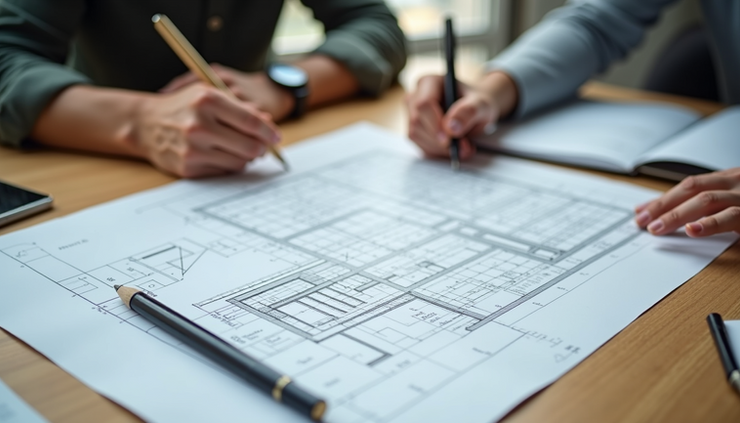
Understanding the Purpose and Scope
Before any sketches or models, defining the purpose and scope of the project is critical. This step sets the direction and limits for the entire process.
Identify the client’s needs: What is the building’s primary function? Residential, commercial, educational, or mixed-use? Understanding this helps tailor the design to specific requirements.
Set clear goals: These include budget limits, timeline expectations, and sustainability targets.
Assess site conditions: Location, climate, topography, and local regulations influence design choices.
Define project scope: What spaces and features must be included? This prevents scope creep and keeps the project manageable.
For example, a school building will prioritize natural light and safe circulation paths, while a retail space focuses on customer flow and display areas.
Developing a Functional Layout
A well-thought-out layout ensures the building serves its users efficiently. This involves organizing spaces logically and considering how people will move through them.
Zoning: Group related functions together. For instance, in a home, private areas like bedrooms should be separate from public spaces like living rooms.
Circulation paths: Design clear and accessible routes to avoid congestion and confusion.
Flexibility: Plan spaces that can adapt to future changes, such as movable partitions or multi-use rooms.
Accessibility: Ensure compliance with accessibility standards to accommodate all users.
An office building might separate quiet work zones from collaborative areas, while a hospital design focuses on quick access between emergency rooms and diagnostic areas.
Prioritizing Sustainability and Energy Efficiency
Sustainable design reduces environmental impact and lowers operating costs. Incorporating green principles early in planning leads to better outcomes.
Orientation: Position the building to maximize natural light and ventilation.
Materials: Choose eco-friendly, durable materials with low embodied energy.
Energy systems: Integrate renewable energy sources like solar panels or geothermal heating.
Water management: Plan for rainwater harvesting and efficient plumbing fixtures.
Insulation and shading: Use proper insulation and shading devices to reduce heating and cooling needs.
For instance, a residential project in a hot climate might include deep overhangs and reflective roofing to keep interiors cool.
Coordinating with Stakeholders and Experts
Architectural planning is a collaborative effort. Engaging all stakeholders early helps avoid misunderstandings and costly revisions.
Clients: Regular meetings to review progress and adjust plans.
Engineers: Structural, mechanical, and electrical experts ensure the design is safe and functional.
Contractors: Input on constructability and cost estimates.
Local authorities: Compliance with zoning laws and building codes.
Using Building Information Modeling (BIM) software can improve coordination by allowing all parties to work on a shared digital model.

Detailing Construction Documents
Accurate and detailed construction documents translate the design into actionable instructions for builders.
Drawings: Include floor plans, elevations, sections, and details.
Specifications: Describe materials, finishes, and workmanship standards.
Schedules: Outline timelines, milestones, and delivery dates.
Cost estimates: Provide detailed budgets to guide procurement and construction.
Clear documents reduce errors and disputes during construction. For example, specifying exact window types and installation methods prevents costly on-site decisions.
Managing Risks and Contingencies
Every project faces risks such as budget overruns, delays, or unforeseen site conditions. Planning for these helps keep the project on track.
Risk assessment: Identify potential issues early.
Contingency plans: Allocate extra budget and time for unexpected problems.
Regular reviews: Monitor progress and adjust plans as needed.
Quality control: Implement inspections and testing to catch problems early.
A project that includes a contingency budget of 10-15% is better prepared to handle surprises without compromising quality.

Emphasizing Aesthetic and Cultural Context
Good architectural planning respects the cultural and aesthetic context of the location.
Local styles and materials: Incorporate elements that reflect the area’s heritage.
Community input: Engage local residents to understand their preferences.
Visual harmony: Ensure the building fits well within its surroundings.
For example, a community center in a historic district might use traditional brickwork and rooflines to blend with nearby buildings.


Comments